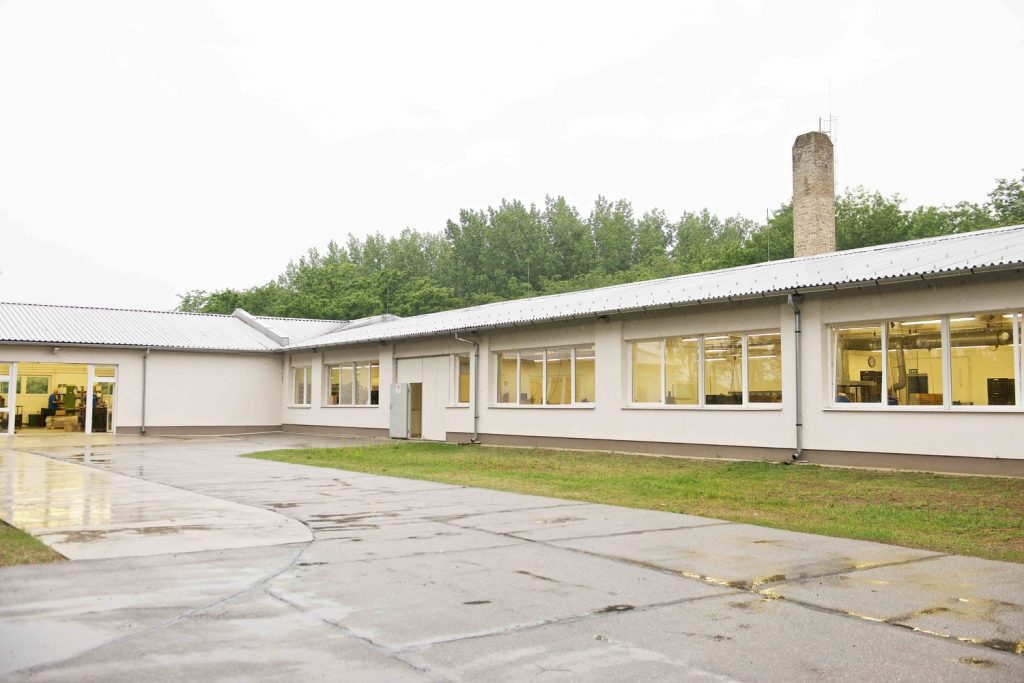
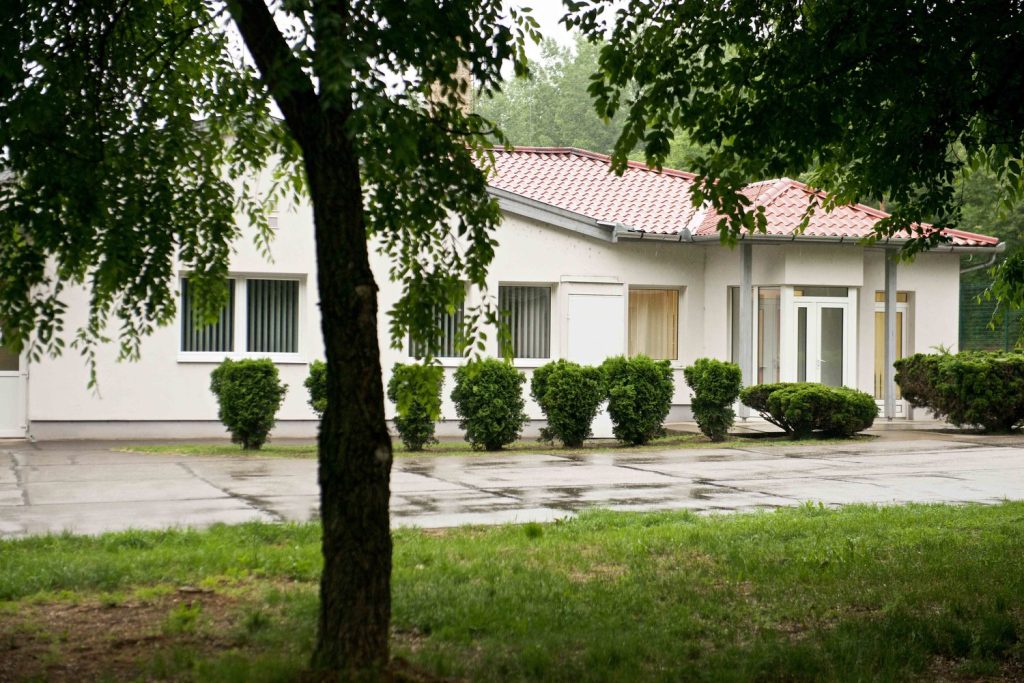
The factory and the company have been under the same ownership for 30 years. The facility is located on the outskirts of Székely village in Szabolcs-Szatmár-Bereg County, within the Kemecse District. It is easily accessible from both Ramocsaháza and Záhony. Situated just a few minutes from the E573 road leading to Záhony, it is only 20 minutes away from both Nyíregyháza and the Záhony exit of the M3 motorway.
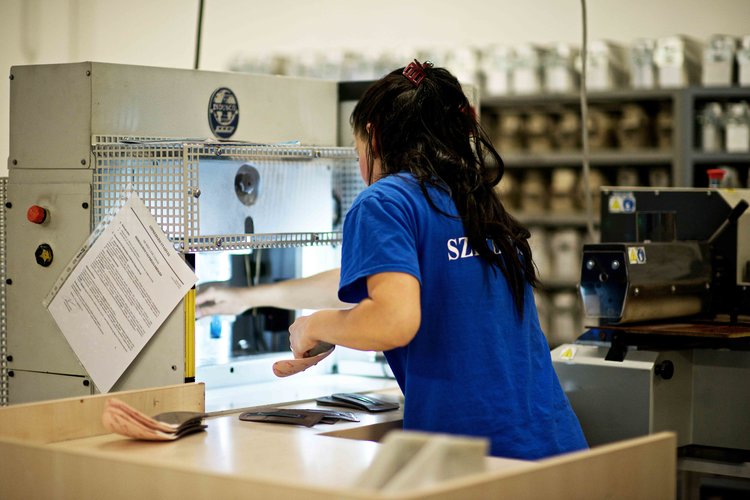
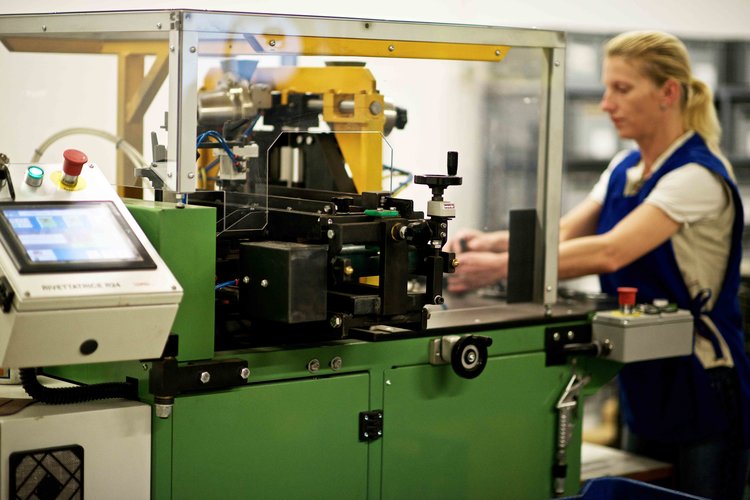
The factory produces shoe accessories, primarily for German and Austrian shoe manufacturers. With 30 years of operation, we enjoy a wide customer base. Our material suppliers are companies from Germany, Austria, Italy, and Portugal, all recognized producers of high-quality materials in the industry.
The factory buildings have been completely renovated and expanded during our operation. As part of this, we carried out roof replacement, thermal insulation, window and door replacement, and a full interior renovation. The expansion of the floor area occurred gradually: in 2015, the production hall increased by 500 m², followed by an additional 400 m² in 2018. Alongside the increase in production capacity, the warehouse building was also expanded by 300 m² in 2018.